
Bengaluru’s real estate story has been quite impressive over the past 10 years.
With IT/ITES hiring, the expanding metro network, airport and infrastructure improvements, and proximity to business hubs, these factors together resulted in price increases. The investor-driven market stood out because of the right combination of consistency and catalyst. Below are the 5 locations, why they worked, and practical takeaways for you.
(1) Sarjapur Road (east Bengaluru)
Why it grew: Over the past decade, Sarjapur Road acted like the outer gravity for the IT belt. Its strong link with Bellandur, Outer Ring Road, proximity to multiple SEZs and business parks, and the presence of new-age integrated townships kept demand steady. The upcoming Metro line (east–north), Disneyland, the extension of Namma Metro, improved networks, flyovers & increased buyer confidence.
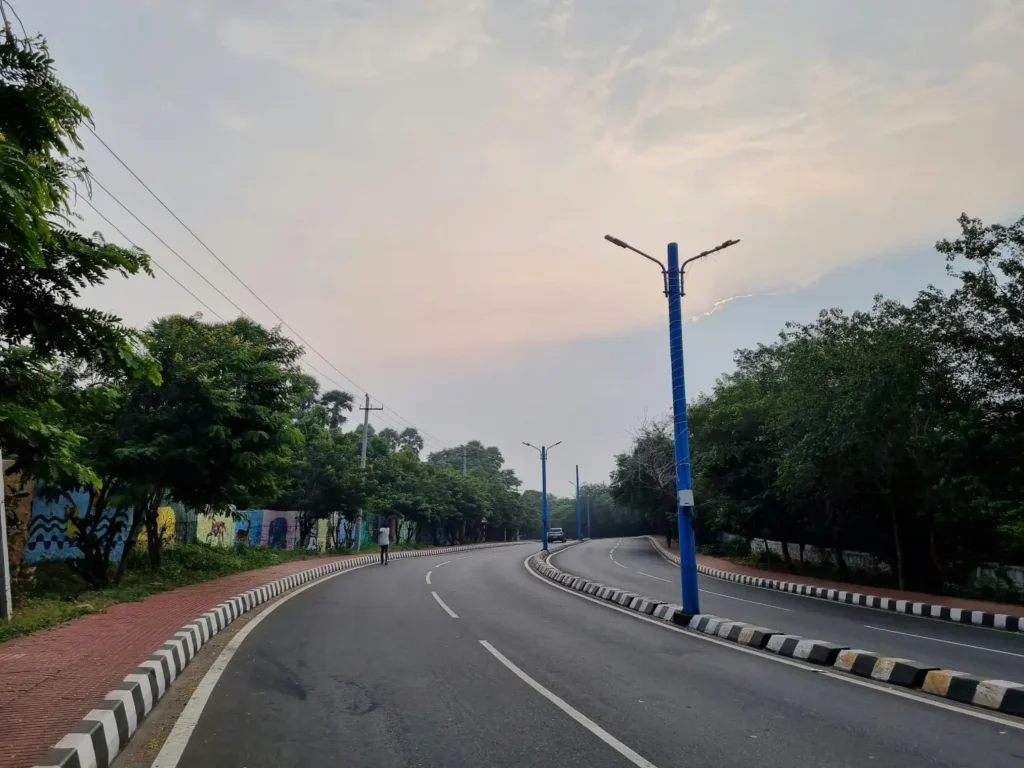
What changed on the ground:
Office catchment: An ecosystem of IT & business parks, on traffic, created a natural desire (depending on traffic), spreading into homeowners. Luxurious resorts gradually transformed into homeowners.
Housing lifestyles: Larger land parcels, multiple schools, and retail within the community—all these factors made the value proposition attractive for upgraders.
Social Infrastructure: International schools, hospitals, hotels, and high streets with food and beverage outlets improved daily convenience.
Also read: How Reliance Industries Is Reshaping Indian Real Estate
(2) Whitefield (Kadugodi – TPL belt, East Bengaluru)
Why it grew: Whitefield is the original tech hub.
The operational continuity of IT Parks in Whitefield (east belt), metro connectivity, and the people-intensive nature of the area created a major user community, resulting in steady demand.
Price points initially remained strong, but the density of supply nodes changed the buyers’ calculations compared to past calculations.
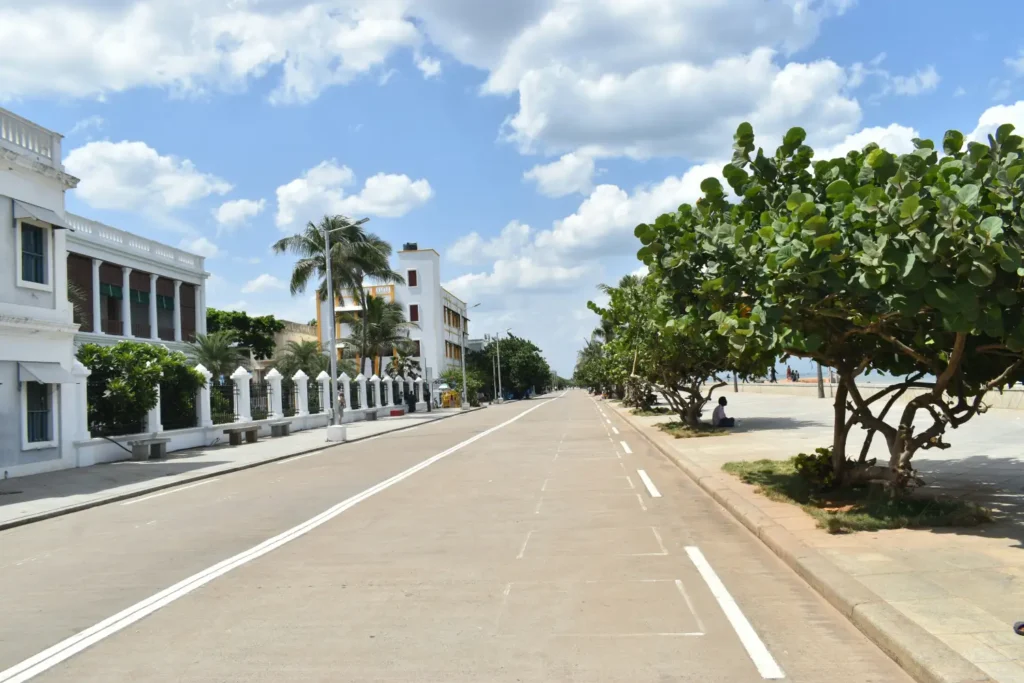
What changed on the ground:
Metro effect: As societies get closer to metro stations, price premium absorption has been fast and visible.
Lifestyle stack: malls, microbreweries, hospitals, and international schools all within a 5–8 km radius.
Product maturity: luxury high-rises; the luxury category now has greater inventory.
Who benefits most: Professionals who wanted a shorter commute. Strong rental fallback for investors replaced steady demand in 2/2.5 BHK units.
Flexible, higher-end ways and large 3BHKs in township formats deliver a high quality of life and payoff.
Buyer tip: Resale liquidity is strongest in metro-locatable communities by proven builders. Compact scripts charge with amenity value—oversized amenities can increase future operating expenses.
Also read: Property Tax India 2025: How to Calculate & Pay Online Easily
(3) Thanisandra/Bellary Road/Manyata Tech Park Belt (North Bengaluru)
Why it grew: The major effect of Manyata Tech Park, one of the largest tech parks in the Indian office market, is the single most important catalyst for growth in the belt.
The region also benefited from large land parcels, accessibility to the airport, and social infrastructure in terms of schools, hospitals, and residential formats, which better suited tech home buyers.
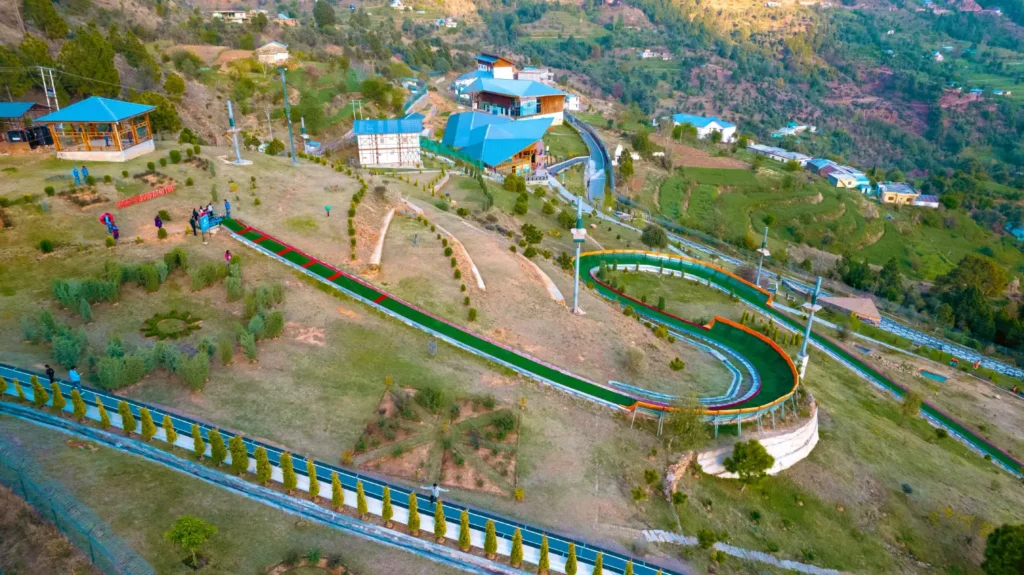
What changed on the ground:
Access stack: Hebbal flyover connectivity and the airport. Outer Ring Road access. Large infra, wide blueprints.
Demand drivers: Steady hiring at large campuses → investor confidence. Tenant flow → investor confidence.
Price discovery: More phases of reputed developers kept the area’s benchmark upwards.
Who benefits most: Buyers who wanted value in connectivity, business presence, and the hope of capital appreciation gave this area a combination of end users and investors. The investor demand materialised as infrastructure upgrades continued.
Buyer tip: Don’t forget to ascertain the broad advance of infrastructure timelines when you long-term plan, to keep a better resale/value.
(4) Devanahalli: Airport influence zone (far north)
Why it grew: The airport economy has its own multiplier effect. The development of logistics parks, business parks, and hospitality around the airport, along with the government’s push on aerospace, exhibitions, and large-scale master plans, strengthened the future catalyst, and investors have strengthened their influence.
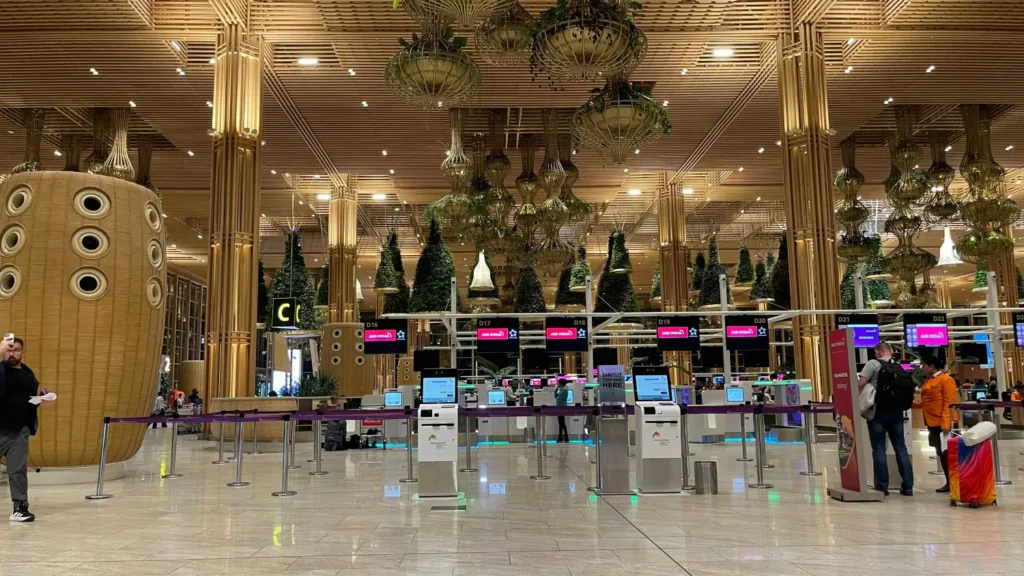
What changed on the ground:
Macro Push: Peripheral corridors, expressway improvements, and policy push of industrial clusters have spilt onto this zone.
Product Mix: Plotted developments, villa communities, and Bengaluru’s new townships give buyers more space, greenery, and a strong community vibe.
(5) Hebbal (North Bengaluru’s Gateway)
Why it grew: Hebbal is like a hinge—it connects the city’s north–south and east–west traffic flows. Its proximity to the CBD, the airport corridor, the future “lifeline” suburban rail, and (many) ORR-like nodes of premium offices delivered decade-long price strength.
High-end branded projects have further anchored average realisations over the years.

What changed on the ground:
Mixed advantage: Business districts, hospitals, international schools, and retail → quick reach.
Luxury relevance: Premium 3–4 BHKs for the end user. Buyers are willing to pay extra for exclusivity and accessibility.
Resale & rental: Investor demand pockets exist in the white-collar expat and managed segments.
Who benefits most? End users seeking premium access and city centrality, and investors who prefer high-quality branded projects with limited downside risk and steady appreciation.
Buyer tip: Understand the trade-off between lake-facing units and those adjacent to arterial roads. Views carry a premium, but you must also evaluate building management factors. The quality of building management is often a silent driver of ROI in premium assets.
Also read: BBMP Property Tax: A Complete Guide for Bengaluru Property Owners
Mini Profiles: Who should pick what?
Sarjapur Road—Ideal for upgrades in the tech sector with hybrid work routines who value large-scale townships and strong east-corridor connectivity.
Whitefield—Best for those needing assured metro connectivity plus a strong rental market; also attractive for investors looking at liquid (easily rentable, resellable) 2BHK units.
Thanisandra/Manyata Belt – Suited for balanced value plus end users seeking the added upside of being close to the airport.
Devanahalli favours long-horizon capital growth buyers, especially those preferring plotted developments or villa plots. Trend yields are lower, but there’s strong future potential.
Hebbal: Fits premium-seeking end-users who want city access and branded amenities and are comfortable paying a higher price for them.
Also check : Reliance Projects & Property arm news.
Common Pitfalls:
Over-indexing on brochure promises – Sample flat ≠ final experience. Visit delivered phases by the same builder.
Growing maintenance costs: Heavy monthly OPEX of grand amenities and their impact on resale.
Speculative land without paperwork.
Never miss the fine print of approval in suspect belt hype.
Underestimating the last mile: An extra 10 minutes of stretch between the metro commute reduces his daily vector and pressure.
Bottom line (Straight Talk)
In the last 10 years, Sarjapur Road, Whitefield, the Thanisandra-Manyata belt, the Devanahalli airport zone, and Hebbal have led Bengaluru’s real estate story—for different reasons, but with the same formula: jobs + metro/mobility + master-planned supply + social infrastructure depth.
If you are an end user, then keep liveability first—station access, school/medical proximity, and builder service standards. If you are an investor, then entry discipline, infrastructure milestone tracking, and exit story clarity—these three things will decide your 5–8 year outcome.
Also check: Reliance real estate topic page (ET).
Bengaluru’s growth may not be linear, but in these corridors, the demand engine is strong. With the right project, right pocket, and right price, these five micro-markets remain the city’s most resilient compounding grounds.